Define the source
Start with what happened, when it began, and whether the water has stopped.
Wichita water-damage response
When water reaches floors, walls, cabinets, or ceilings, a clear plan matters. Call to discuss the source, the affected rooms, and the practical next steps for removal, drying, cleanup, and restoration.
Wichita property owners can start with one direct conversation about what happened and what may still be wet.
Wichita water restoration
Visible water rarely tells the whole story. Moisture can travel under flooring, behind trim, through wall cavities, around cabinets, and into rooms below. The response should begin by understanding the source and following the water path.
From water removal through structural drying and cleanup decisions, each step should connect to the conditions found at the property—not to a one-size-fits-all package.
Discuss the Damage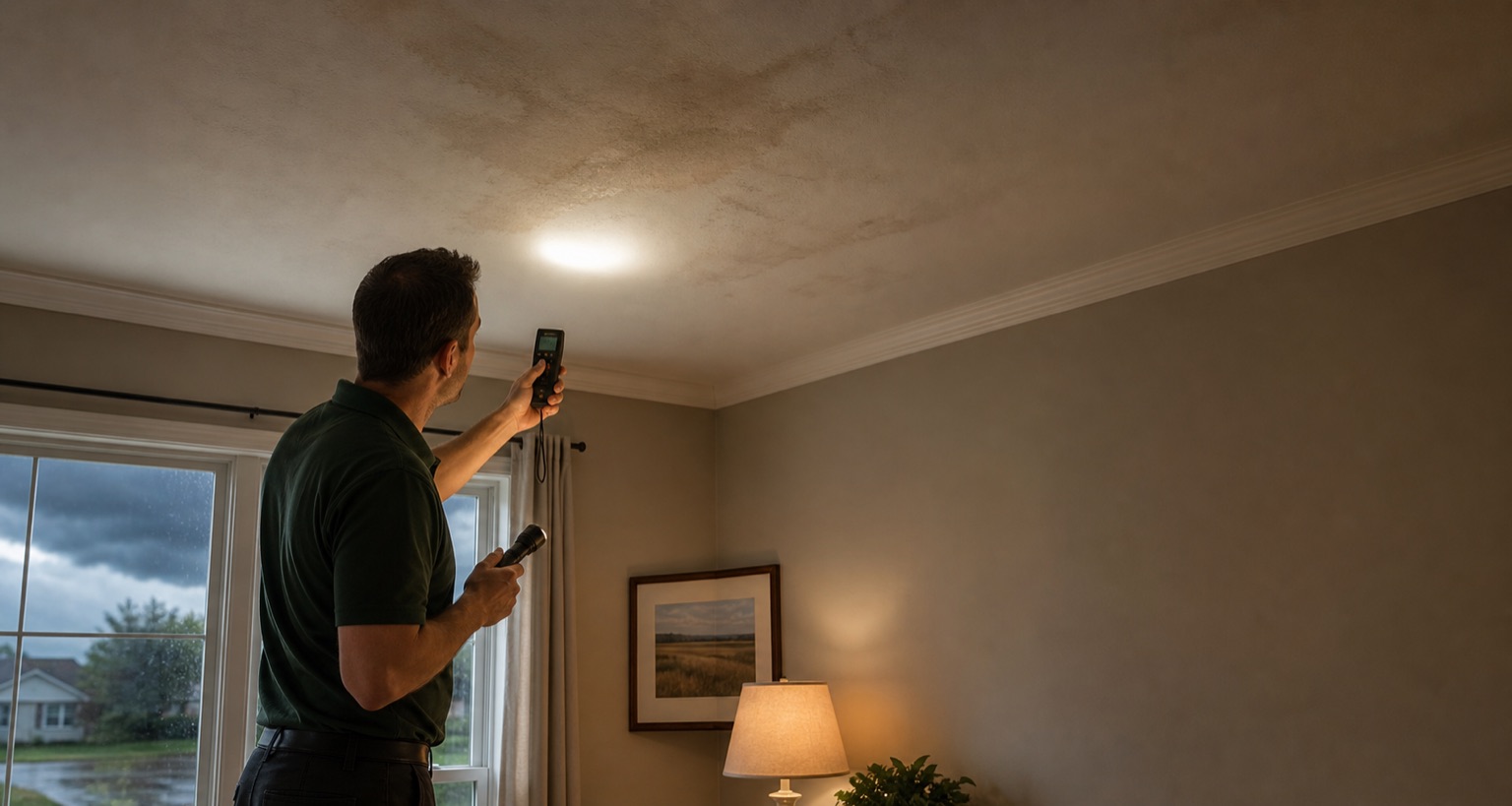
Start with what happened, when it began, and whether the water has stopped.
Look beyond the puddle to connected floors, walls, cabinets, ceilings, and rooms.
Organize removal, drying, cleaning, documentation, and repair decisions in order.
How we help
Every property is different. These services work together to define and control the full water path.
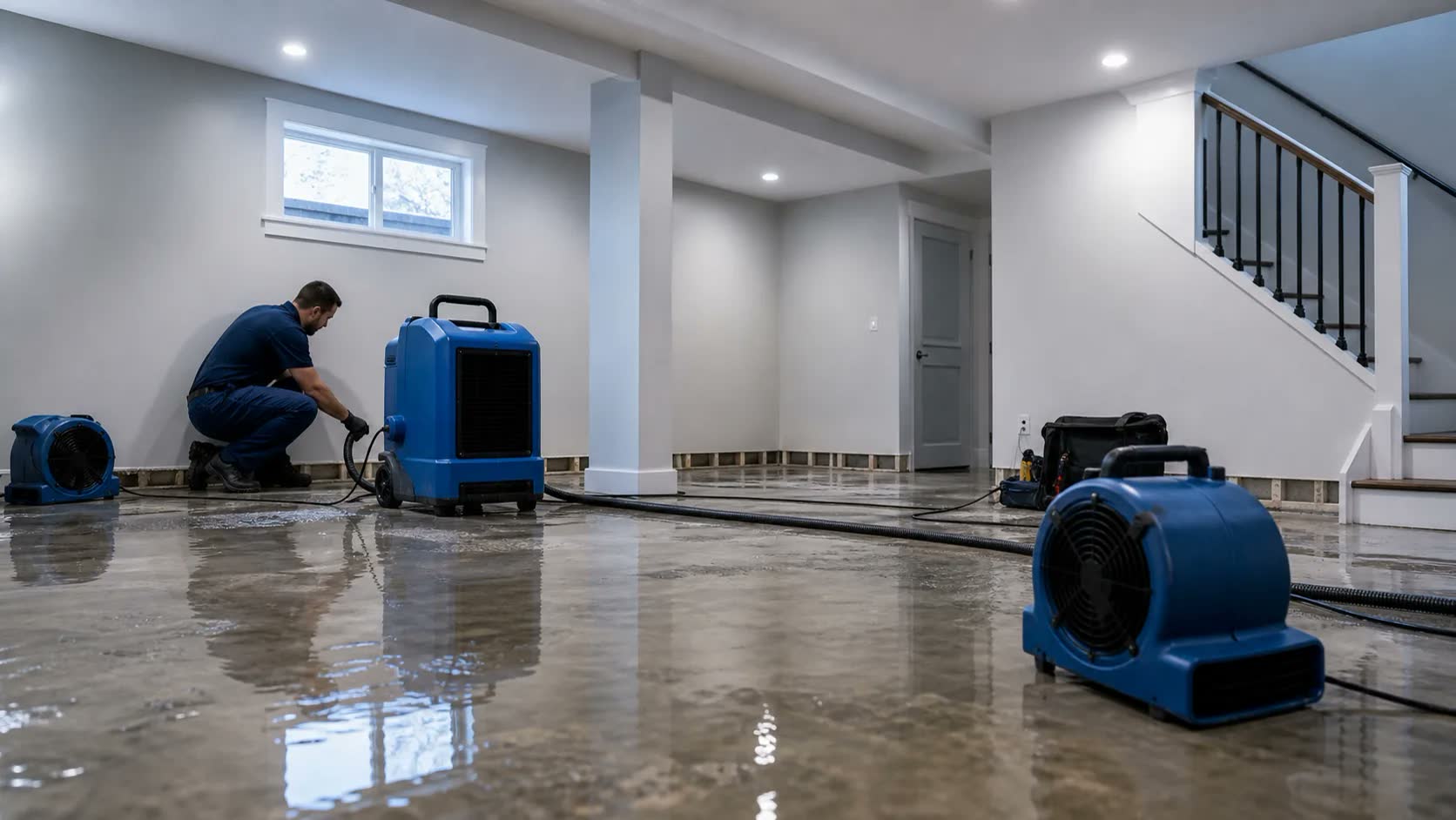
Immediate response
Remove accessible standing water so it cannot keep soaking nearby flooring, trim, walls, and contents.
Explore water removalMeasure the water path
Check connected materials and spaces for moisture that may not be obvious from the surface.
Call about moisture inspectionControl the environment
Use air movement, dehumidification, targeted access, and monitoring to guide the drying process.
Explore structural dryingRestore clean conditions
Address affected surfaces, debris, and residue according to the source and materials involved.
Call about cleanupFrom mitigation to recovery
Identify what can reasonably be dried or cleaned, what may need removal, and how repair decisions fit after drying goals are reached.
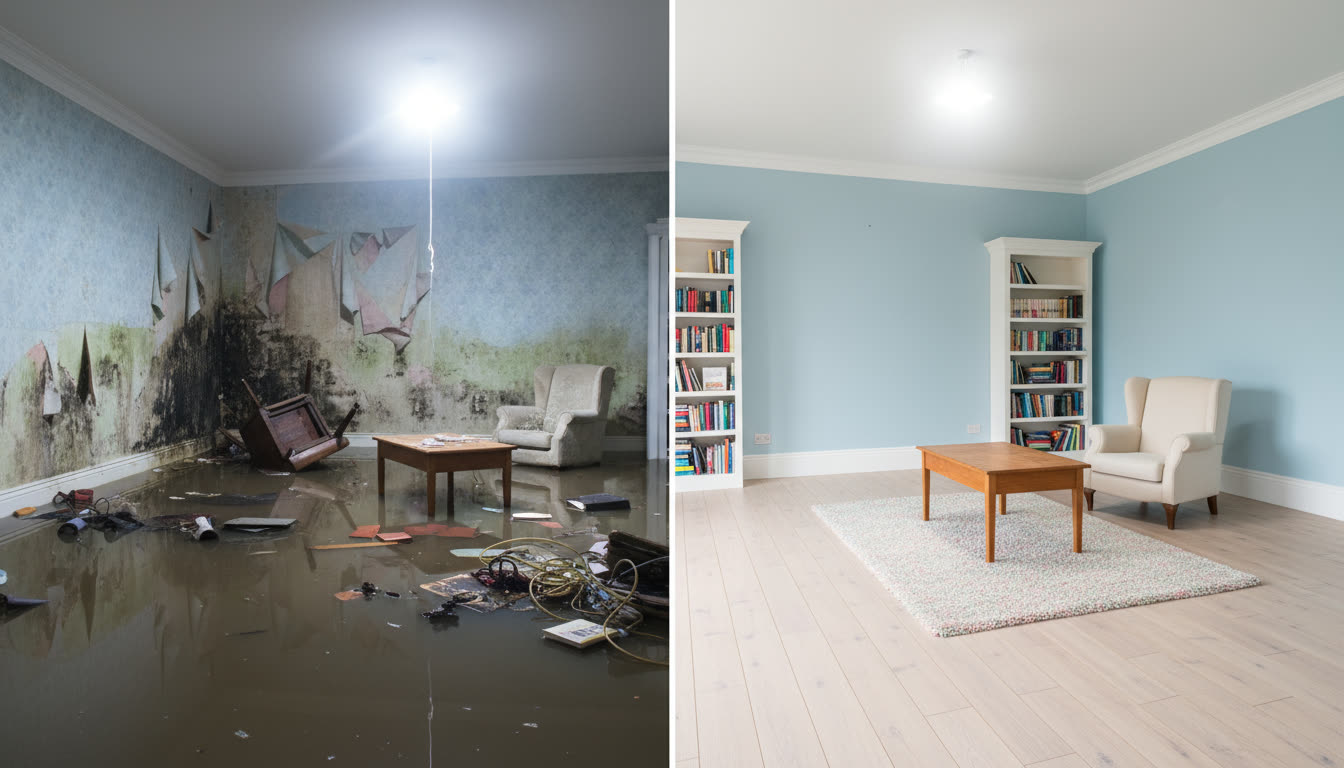
A clearer restoration plan
Water can collect beneath flooring, wick upward into drywall, settle behind cabinets, and cross into adjoining rooms. Surface appearance alone cannot establish the full boundary of the loss.
What happens next
Call with the facts you have. The first goal is to understand the property—not to force a preset answer.
Share the likely source, timing, and whether the water has stopped.
Identify wet rooms, materials, belongings, and connected spaces.
Review how removal, moisture checks, and drying may fit the property.
Separate immediate mitigation from cleanup and repair decisions.
What the plan considers
The source, duration, contamination, condition, finish, and accessibility all influence whether a material can be dried or cleaned.
Carpet, pad, wood, laminate, tile assemblies, and subfloors hold and release moisture differently.
Drywall, trim, framing, and insulation can wick or conceal moisture beyond the visible line.
Toe kicks, back panels, seams, and enclosed cavities may need focused attention.
Furniture, textiles, documents, and personal belongings require material-specific decisions.

Serving Wichita, Kansas
Storm entry, plumbing failures, appliance leaks, frozen pipes, and water reaching basements or lower rooms each require a response based on the actual source, affected materials, and property conditions.
Read the Wichita GuideFrequently asked questions
Water damage can widen while a property owner is still trying to understand it. These are useful starting points—not substitutes for assessing the actual property.
Call (316) 761-9016Keep people away from wet electrical areas, sagging ceilings, unstable materials, and contaminated water. Stop the source only when it is safely accessible, photograph the conditions, and call to discuss the affected areas.
Yes. Water can travel through flooring layers, wall cavities, cabinet bases, insulation, and openings between levels. Moisture inspection helps define what is actually affected.
The timeline depends on the materials, exposure time, access, humidity, contamination, and concealed moisture. Actual property conditions and moisture readings should guide drying.
Some policies cover sudden and accidental water damage, while exclusions may apply to flooding, long-term leakage, maintenance issues, and other causes. Coverage depends on the policy and circumstances.
Not always. The water source, material type, exposure time, contamination, condition, finish, and accessibility all matter.
Share the likely source, timing, whether it has stopped, affected rooms and materials, connected spaces, and any immediate electrical, ceiling, or contamination concern.
The Wichita water-damage line
Call with the source, timing, affected rooms, and any immediate safety concern.